Church Abuse vs Discipline: The Things We See and Let Go
Church Abuse vs. Discipline: The Things We See and Let Go
If you’ve ever been told to stay quiet “for the sake of the church,” or watched harm get re-framed as discipline, this is for you. This isn’t gossip. It’s pattern recognition — and documentation.
Abusive church leaders do not survive without help. They are protected by congregations willing to excuse harm, shame victims, and call it obedience.
This article is written from experience. I witnessed abuse. I reported it. I watched people defend it. I didn’t write this because I’m angry. It's because I am carrying the pain of my experiences still, 20 years later.
This is not a story about one bad pastor, one unhealthy church, or one isolated failure. It is about a recurring pattern inside modern church culture — a pattern sustained not just by leaders, but by ordinary people who choose silence, loyalty, or reputation over truth and protection of the vulnerable.
Abuse in churches rarely survives because no one sees it. It survives because people see it and decide not to act.
This article exists so others can recognize the pattern sooner than I did — and know they are not alone when truth is met with resistance.
When “Discipline” Becomes a Shield for Abuse
Biblical church discipline, when practiced rightly, is meant to be restorative and protective. It is intended to confront sin honestly, pursue repentance, and safeguard people from harm.
But what I experienced — and what I have since recognized elsewhere — was not discipline. It was control.
Scripture was invoked not to heal, but to quiet dissent. Authority was emphasized while accountability disappeared. Concerns were framed as rebellion. Reporting harm was labeled “division.”
When discipline becomes a mechanism to silence victims and preserve reputations, it stops being discipline altogether. It becomes abuse with religious language attached.
What I Experienced
I witnessed conduct that should have been confronted and reported. I did what I was told faithful people should do: I raised concerns. I followed the appropriate channels. I spoke plainly about what I saw.
What followed was predictable.
First came minimization. Then re-framing. Deny, accuse, and reverse victim and offender. Then warnings about tone, unity, and timing. Eventually, the focus shifted away from the behavior itself and toward me — my motives, my attitude, my willingness to submit.
At no point was the central question treated as urgent: Was harm done, and who was at risk?
Instead, the real concern became reputation — how the church would look, what outsiders might think, and whether speaking honestly would “damage the witness.”
That was the moment clarity set in.
The Role of the Congregation
Abuse does not persist through leadership alone. It persists because people participate in its protection.
I watched members:
- defend behavior they would never tolerate elsewhere,
- spiritualize silence,
- discourage reporting,
- and shame those who spoke up as unloving or unfaithful.
No one needed to say, “We are protecting abuse.” Their actions made that clear.
This is the part of church abuse that receives the least scrutiny — and deserves the most. Leaders may initiate harm, but congregations decide whether it survives.
How Scripture Gets Weaponized
Passages like Matthew 18 are frequently misused to block accountability rather than promote repentance. Instead of being applied with wisdom and transparency, they are turned into procedural weapons: Don’t talk. Don’t warn others. Don’t go outside the church.
That is not biblical faithfulness. It is institutional self‑preservation.
When scripture is used to suppress truth or protect abusers, it ceases to function as spiritual guidance and becomes a tool of coercion.
A Pattern, Not an Anomaly
Since my own experience, I have watched the same dynamics play out publicly across denominations and regions¹:
- allegations minimized
- victims discredited
- whistleblowers punished
- leaders quietly reassigned
- congregations urged to “move on”
The details change. The pattern does not.
What Real Discipline Looks Like
Healthy discipline is: transparent, consistent, accountable, protective of the vulnerable
It does not fear scrutiny. It does not silence reporting. It does not prioritize reputation over safety.
When abuse is alleged, spiritual care and legal accountability are not competitors — they are partners. Anything less is negligence disguised as faith.
Why Leaving Is Sometimes the Only Faithful Option
There comes a point when staying silent becomes participation.
Leaving a church that protects harm is not rebellion. It is clarity. It is self‑respect. And in many cases, it is the most faithful response available.
Conclusion
Church abuse does not survive because people don’t know better. It survives because too many people choose not to act.
That reality is not bitterness. It is documentation, and the very rocks bear witness if we do not speak up.
Healthy discipline protects the vulnerable. Abuse protects power.
Frequently Asked Questions
Isn’t this gossip?
No. Gossip spreads unverified claims for entertainment or harm. This documents firsthand experience and publicly reported patterns. Silence in the face of abuse is not holiness; it’s avoidance.
Why didn’t you just stay and work it out?
I tried. I reported concerns through the expected channels. When accountability was replaced with minimization and pressure to stay quiet, remaining would have meant participating in the protection of harm.
Aren’t you damaging the church’s witness?
Abuse damages the church’s witness. Telling the truth about it is the only path toward integrity. I'm not naming names unless privately.
I know these same individuals would still try to harm me even today.
Why not forgive and move on?
Forgiveness does not require silence, denial, or continued exposure to harm. Accountability and forgiveness are not opposites.
Appendix A — Public Examples of the Pattern (Selected)
¹ These are representative, well-documented cases illustrating the same pattern described above:
- Oasis of Praise (now Encounter Church), McCalla, AL
Involving Pastor Allan Kendrick, numerous allegations, murders in Bibb County, and a $100,000 'retirement' package.
Church renamed to Encounter Church. - Southern Baptist Convention abuse investigation (Houston Chronicle / DOJ)
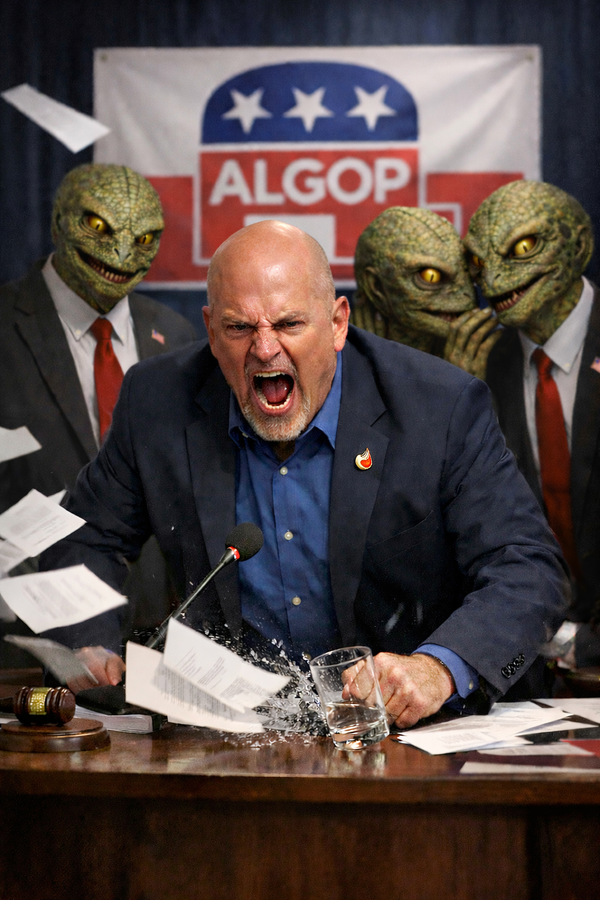
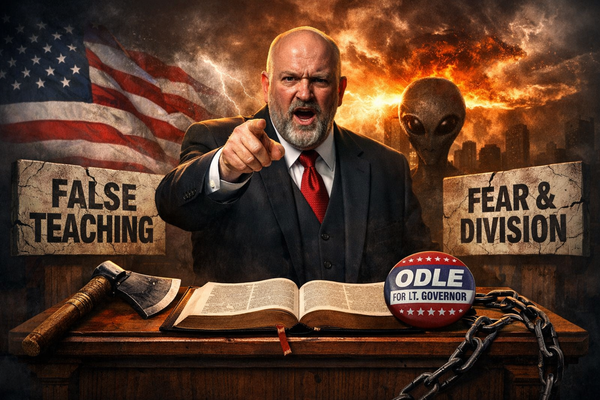
- Pastor Dean Odle, running for Lt Gov in Alabama, using the pulpit as a campaign platform, advocating for flat earth, conspiracies, public shaming of individuals, self-described prophet of the end times, and more. He has a Pilgrims University PhD, a known degree mill in Nigeria. He still uses that as part of his credentials.
- Willow Creek / Bill Hybels reporting
- Mars Hill Church / Mark Driscoll
- Acts 29 church removals and NDAs
- Independent fundamentalist church abuse cases (multiple states)
(Links intentionally separated from narrative to keep focus on lived experience.)
Appendix B — Personal Timeline (Witnessed, Condensed)
My life wasn't easy. I shed many tears in my youth. I was scared of people. I was constantly bullied, with no adult support to put a stop to it. I never felt that anyone wanted me, or that I would ever do anything good. I really wanted something more in my life, and I knew it when I was 10 years old. I would have nightmares about the last days.
My dad had for years, openly rebelled against God, ever since he had a bad experience with some old ladies at First Baptist Church - well before I was born. Their harsh words carried and weighed on him. I think he knew the truth, but he still rebelled, until it was almost too late for him, when he passed away in 2024.
- Observed and/or experienced harmful conduct within a church environment:
2000 - A pastor and youth minister calling abuse "not honoring father and mother," giving cover to physical abuse.
2000 - A pastor calling ME, yelling angrily at me, after HE purchased a computer at a thrift store. It had porn all over it when he bought it, including the desktop background. He chose to call me on the phone the day he purchased it, and yelled at me to remove it for him, when I was a teenager.
2001 - Youth minister's angry outbursts in Sunday School. Ministers telling friends brought to a church service that they are going to hell if they are Catholic. Allowing an active drug abuser to be a church secretary.
2001 - Pastor and the same youth minister pushed me into pastoral ministry and requisite education to become a pastor. I was NOT called, or meant to be a pastor. It was manipulation, to be cool like the other churches.
2002 - A different youth minister's road rage driving a church van. That one eventually committed suicide.
2003 - Sexual harassment of adults, by a 50 year old business owner and big tither - who got a pass. I reported him being creepy around teenagers (my age at the time).
2003 - On my last mission trip at "Iron Rod" Baptist Church, an event involving sexual discussion/planning harassment of a 16 year old, by the same guy.
2005 - Left and joined another church. Pastor of that church told the congregation in a business meeting that if they didn't agree to a church merger, that they were out of God's will. That church closed its doors.
2005 + These experiences followed me and made me distrust clergy for years to come.
The response pattern was: - Raised concerns internally following expected procedures
- Reported behavior to appropriate external authorities / internal leadership
- Experienced minimization and reframing of concerns
- Experienced congregational defense of the abuse, was demonized for reporting it.
- Recognized pattern of protection over accountability
Local Results of Abuse - Collapse.
I have seen churches in Jefferson County shrink or collapsed from 300+ members to 30, upon the news hitting the media, and the church isn't what it used to be.
My true fear, is that people who say they are Christian will mislead those who most certainly are seeking, astray from a real salvation - Jesus Christ.
Not social media cred, but something real and eternal. I'll tell you, I have not healed, and I am not strong. All the more reason to speak up against any form of abuse. We must all stop and say "no more."
I hope that at the end of this year, that I can come back and add to this, saying that the United States and the American church has effectively realized, that the problem was our own alignment, that we left our values, our teachings, all behind.